
 My Chart Patient Portal
 Language Services
 Medical Records
 News & Articles
 Charitable Giving
 Programs & Classes
February 16, 2026
Am I Having Heart Attack?
Signs and symptoms of a heart attack and what to do if you think you're having one
By Foundation Cardiology of Southern New Hampshire Health, your non-profit healthcare partner
As cardiologists at Foundation Cardiology, one of the most common things we hear from patients is, “I didn’t think it was my heart.” That’s because heart attacks don’t always look the way we expect. They are rarely as dramatic as what we see in movies, and that misunderstanding can cause people to wait too long to get help.
The truth is, many heart attacks start quietly.
One of the biggest misconceptions is that a heart attack always causes sharp chest pain. Most people I treat don’t describe it that way at all. Instead, they talk about pressure, squeezing, tightness, or a heavy feeling in the center of the chest. Many even say, “It doesn’t hurt, it just feels wrong,” which is often a key clue.
How do I know if I’m having a heart attack?
Patients often ask, “How do I know if it’s really a heart attack?” The honest answer is that symptoms can vary from person to person, but there are some common warning signs you should never ignore.
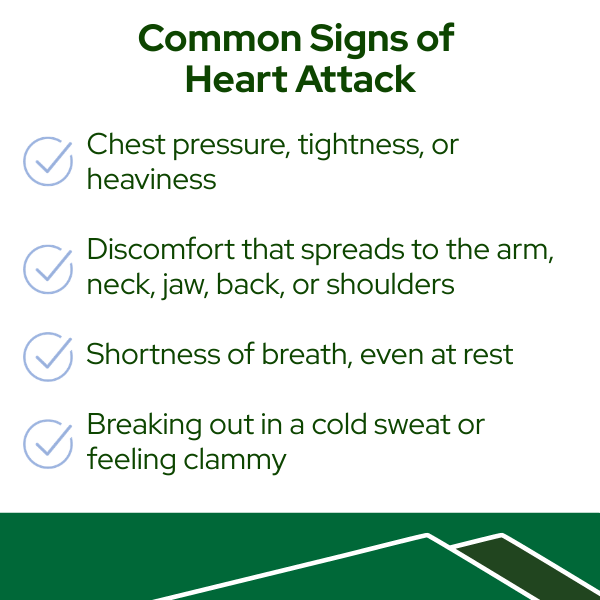
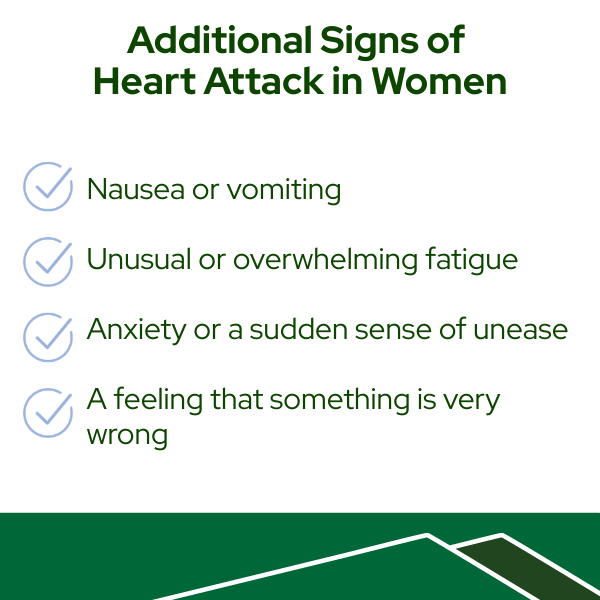
What should I do if I think I'm having a heart attack?
Another common question is, “What if I’m not sure?” The answer is always the same. If you think you might be having a heart attack, it is better to be wrong than to wait. Calling 911 or seeking emergency care quickly can save heart muscle and save your life.
Who is at higher risk for heart issues?
People also ask if they are “too young” or “not the type” to have a heart attack. While risk does increase with age, heart disease does not discriminate.
Risk factors for heart attack include:
- Age, with risk rising over time
- Gender, with men at higher risk but women catching up quickly
- High blood pressure, diabetes, or high cholesterol, even if they are controlled
- A family history of early heart disease
- Smoking or vaping
How to protect your heart
The good news is that many risk factors for heart attack are within your control. Small, consistent changes can make a big difference.
- Stay physically active in ways you enjoy
- Choose foods that support heart health, including fruits, vegetables, lean proteins, and whole grains
- Limit highly processed and fast foods
- Manage stress and make time to recharge
- Quit smoking and avoid tobacco products
Why early heart care matters
Advances in cardiac testing allow us to identify heart disease earlier than ever before. Seeing a cardiologist before symptoms become severe gives us more options and better outcomes. At Foundation Cardiology, our goal is to help patients understand their risk, recognize warning signs, and feel confident about when to seek care.
I often tell my patients this. You know your body better than anyone else. If something feels off, listen to that instinct. When it comes to your heart, being cautious is not overreacting. It is taking care of yourself.
At Foundation Cardiology, we are here not only for emergencies, but for guidance, prevention, and long-term heart health. As part of a nonprofit health system, our focus is always on what is truly best for the patient. We care for a wide range of heart conditions and take the time to listen, answer questions, and create individualized care plans that support lifelong heart health. Seeking expert advice early can help prevent serious problems and offer peace of mind, so you can feel confident knowing your heart is in caring, experienced hands.
Learn more or call for an appointment