 My Chart Patient Portal
 Language Services
 Medical Records
 News & Articles
 Charitable Giving
 Programs & Classes
May 11, 2026
Am I Having a Stroke? Lesser-Known Stroke Symptoms You Should Never Ignore
When most people think about the signs of stroke, they picture sudden slurred speech or a drooping face. While those are critical warning signs, they are not the only ones. Stroke symptoms can sometimes be subtle and easy to dismiss, especially when they do not match what you expect.
Recognizing both common and lesser-known stroke symptoms can make a life-saving difference. If you are asking yourself, “Am I having a stroke?” trust your instinct and act quickly.
The BEFAST signs of stroke
A helpful way to remember the most common signs of stroke is the acronym BEFAST:
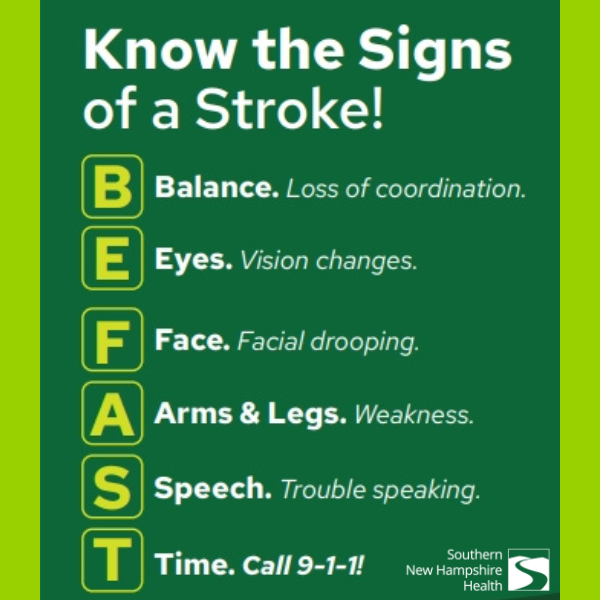
These are the most widely recognized stroke symptoms; however, strokes do not always follow the script.
Lesser-Known Stroke Symptoms of Stroke
Some stroke symptoms are less obvious but just as serious. These can appear on their own or alongside BEFAST signs.
Vertigo
This is a sudden spinning sensation that may include nausea or vomiting. Beyond feeling dizzy, it can feel like the room is moving around you.
Dizziness or loss of balance
You may have a sudden feeling of being off-balance, or you might fall, even when standing still.
Severe, persistent headache
A stroke-related headache is different from a typical headache. It may:
- Come on suddenly, like a “clap of thunder”

- Be described as the worst headache of your life
- Not respond to medication like Tylenol or ibuprofen
- Refuse to go away despite rest or treatment
This type of headache should never be ignored, and you should immediately seek medical attention.
Confusion
Sudden trouble understanding conversations, following directions, or thinking clearly
Face and/or limb sensory problems
Numbness, tingling, or unusual sensations in the face, arm, or leg, even without weakness
Loss of muscle control in one or more limbs
Difficulty moving certain parts or a sensation that your body is not responding the way it normally would
Any visual loss
This can include partial or complete vision loss, blurriness, or trouble focusing.
Diplopia (double vision)
Seeing two images instead of one can be a key warning sign of stroke, especially when it starts suddenly.
Why these symptoms matter
Many of these lesser-known stroke symptoms are associated with strokes in the back part of the brain, known as posterior circulation strokes. These strokes are often harder to recognize, which can delay treatment.
That delay can have very serious consequences.
When to act
If you are wondering, “Am I having a stroke?” do not wait to see if symptoms improve. Stroke symptoms often come on suddenly and worsen quickly.
Call 911 right away if you or someone else experiences:
- Any BEFAST symptoms
- A sudden, severe headache unlike any before
- Unexplained dizziness, confusion, or vision changes
- New weakness, numbness, or loss of coordination
Even if the symptoms seem mild or go away, this could still be a warning sign of a stroke or a transient ischemic attack (TIA), sometimes called a mini-stroke. Early evaluation and treatment can reduce the risk of a future, more serious stroke.
Minutes matter
At Southern New Hampshire Health, caring for neighbors, friends, and family is at the heart of our nonprofit mission. Our approach includes helping people recognize the signs of stroke and get care as quickly as possible.
If you think you may be having a stroke, call 911 immediately. Do not wait, and do not try to drive yourself to the hospital.
Minutes matter!