
 My Chart Patient Portal
 Language Services
 Medical Records
 News & Articles
 Charitable Giving
 Programs & Classes
September 1, 2026
Sepsis Warning Signs: Symptoms You Shouldn’t Ignore
What Is Sepsis? Symptoms, Risk Factors, and When to Seek Care
By Rebecca Angove, RN, Southern New Hampshire Health
Whether sepsis is a term you are hearing for the first time or something you already know about, understanding how to recognize it can help save a life.
Sepsis is the body’s extreme response to an infection. It happens when the body’s response begins to damage its own tissues and organs. Without fast treatment, sepsis can lead to organ failure, septic shock, and death.
Sepsis can happen to anyone, which makes knowing the warning signs and when to seek help especially important.
How Common Is Sepsis?
Sepsis is a major health concern in New Hampshire and around the world. About 49 million cases occur globally each year, and about 11 million people die from sepsis-related causes. That means sepsis is linked to about 1 in 5 deaths worldwide.
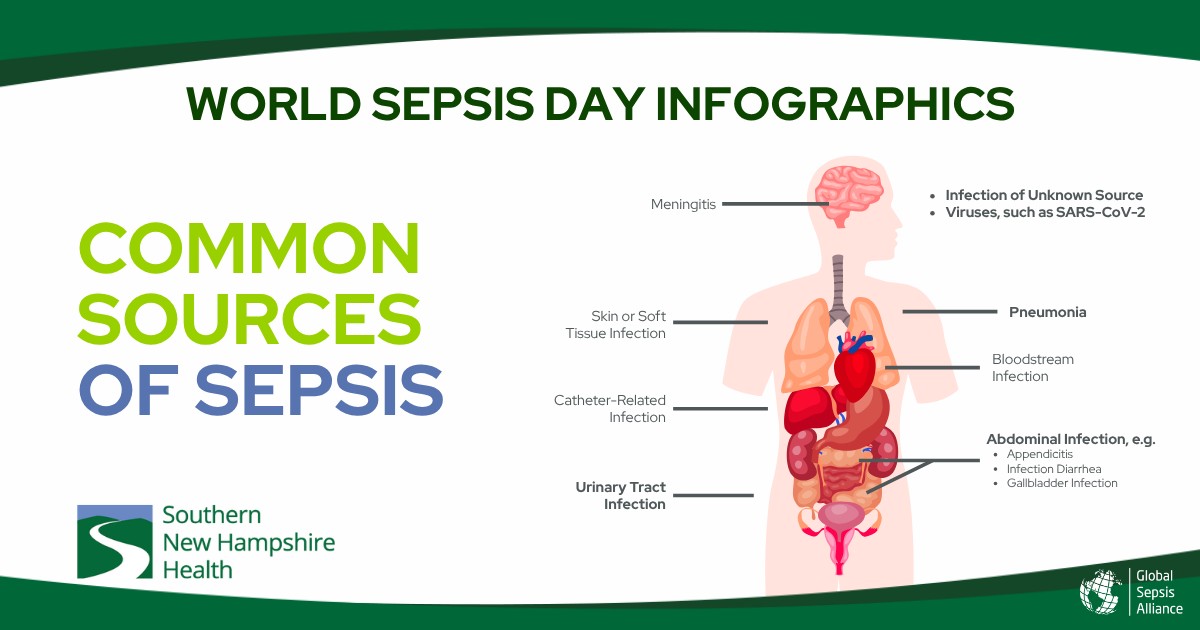
What Infections Can Lead to Sepsis?
Sepsis always starts with an infection. Bacterial infections cause many cases, but viral and fungal infections can also lead to sepsis.
Common infections that may cause sepsis include:
- Pneumonia and other lung infections
- Urinary tract and kidney infections
- Skin and soft tissue infections
- Abdominal and intestinal infections
- Bloodstream infections
- Meningitis
- Infections related to catheters or other medical devices
Sometimes, doctors may not be able to identify where the infection started.
Who Is at Risk for Sepsis?
Anyone with an infection can develop sepsis, but some people are at greater risk, including:
- Adults age 65 and older
- Infants and young children
- People with weakened immune systems
- People with chronic conditions, such as diabetes, kidney disease, or COPD
- People who are pregnant or recently gave birth
- People who have recently been hospitalized or had a serious illness
How Can You Help Prevent Sepsis?
Preventing infections and treating them quickly can lower the risk of sepsis.
You can help protect yourself and your family by:
- Washing your hands regularly
- Keeping vaccinations up to date
- Cleaning and caring for cuts and wounds
- Managing chronic health conditions
- Getting medical care when an infection is not improving or is getting worse
What Are the Signs and Symptoms of Sepsis?
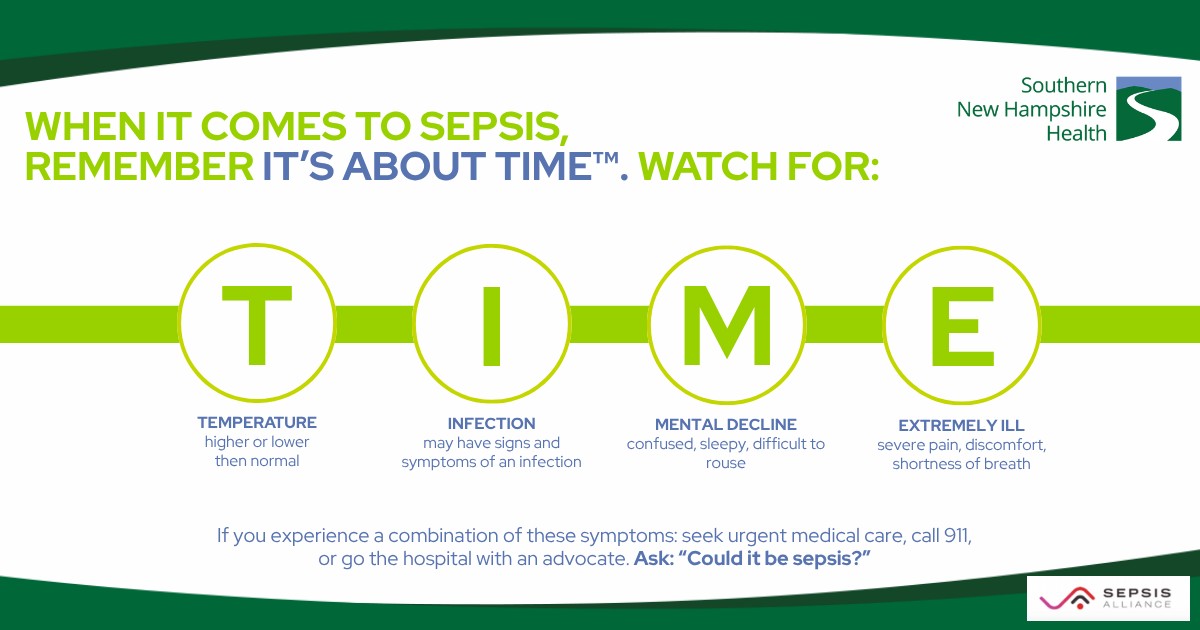
Sepsis is a medical emergency. Symptoms vary from person to person and can include:
- Confusion or disorientation
- Fever, shivering, or feeling very cold
- Extreme pain or discomfort
- Clammy or sweaty skin
- Shortness of breath or fast breathing
- A fast heart rate or weak pulse
Other serious symptoms may include decreased urination or changes in skin color.
What Should You Do If You Suspect Sepsis?
If you or someone you know has an infection and develops signs of sepsis, get medical help right away.
Sepsis can get worse quickly, and early recognition and treatment can improve the chances of recovery.
If you are concerned, tell the medical team about the infection and ask whether sepsis could be causing the symptoms.
How Is Sepsis Treated?
People with sepsis usually need treatment in a hospital. Care depends on the cause and severity of the illness and may include:
- Antibiotics or other medicines to treat the infection
- Intravenous, or IV, fluids
- Oxygen or breathing support
- Medicines to support blood pressure
- Dialysis if the kidneys are affected
- Surgery in some cases to treat the source of the infection
The sooner sepsis is recognized and treated, the better the chance of preventing serious complications.
Know the Signs of Sepsis. Act Fast.
Awareness can make a difference. Learn the warning signs, take infections seriously, and seek medical care if symptoms become severe or quickly get worse.
As a nonprofit health system, Southern New Hampshire Health is committed to helping our community prevent illness, recognize serious health concerns, and get the right care when it matters most.
To learn more about the care Southern New Hampshire Health provides to our community, visit snhhealth.org.
Learn More About Sepsis
For additional information about sepsis, visit the Centers for Disease Control and Prevention or the World Health Organization.