 My Chart Patient Portal
 Language Services
 Medical Records
 News & Articles
 Charitable Giving
 Programs & Classes
October 5, 2026
Spider and Varicose Veins: What They Mean, When to Seek Treatment, and Today’s Minimally Invasive Options
By Dr. Luis Suarez, Southern New Hampshire Health’s Foundation Vascular Surgery
Not all vein problems are simply cosmetic. While many men and women are bothered by the appearance of spider veins or varicose veins, others experience symptoms such as aching, heaviness, swelling, itching, or even wounds that are slow to heal. The good news is that treatment options have come a long way, and many procedures can now be performed in an office setting with little downtime.
At Southern New Hampshire Health's Vein Clinic, we evaluate, diagnose, and treat a wide range of venous disorders, helping you find relief from symptoms and improve their quality of life. For the last 10 years, I’ve been researching, practicing, and teaching vascular surgery with a special focus on venous insufficiency and varicose veins.
What are spider veins and varicose veins?
Spider veins and varicose veins are both enlarged veins that can be seen beneath the skin, most commonly in your legs.
Spider veins are small, thin veins that often appear blue, purple, or red. They may look like a web or sunburst pattern on your skin.
Varicose veins are larger, twisted, rope-like veins that bulge beneath the surface of the skin. They are often more noticeable and may be accompanied by symptoms.
For some people, these veins are simply a cosmetic concern. For others, they can cause discomfort and interfere with everyday activities.
Common varicose vein symptoms include: 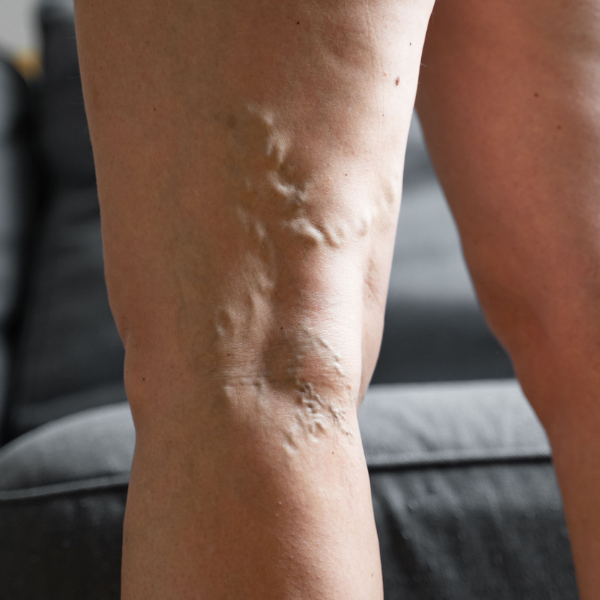
- Leg pain or aching
- Heaviness in the legs
- Swelling
- Itching
- Fatigue in the legs
- Skin changes around the ankles
- Venous ulcers (slow-healing wounds near the ankles)
What causes varicose veins?
Veins play an important role in returning blood from the legs back to the heart. To do that efficiently, veins contain tiny valves that open and close to keep blood moving in the right direction.
When those valves stop working properly, a condition known as venous insufficiency or venous reflux can develop. Blood that should be traveling upward toward the heart can pool in the legs instead.
As pressure builds inside the veins, people may develop swelling, visible varicose veins, and other symptoms.
Venous insufficiency is common and affects up to 40% of the population.
When should you see a vein specialist?
Not everyone with spider veins or varicose veins needs treatment. However, an evaluation may be helpful if you are experiencing symptoms that affect your daily life.
Treatment is often recommended if you have:
- Persistent aching or heaviness
- Leg swelling
- Symptoms that worsen throughout the day
- Visible varicose veins accompanied by discomfort
- Skin changes around the lower legs
- Venous ulcers or wounds that are difficult to heal
A vascular specialist can determine whether symptoms are related to underlying vein disease and recommend the most appropriate treatment.
How has vein treatment changed?
Over the past 15 years, treatment for venous disease has become significantly less invasive.
Many procedures that once required surgery can now be performed in an office setting, such as Southern New Hampshire Health's Vein Clinic using minimally invasive techniques. Most of my patients return to normal activities quickly, and many are back at work within a day or two.
What is vein ablation? 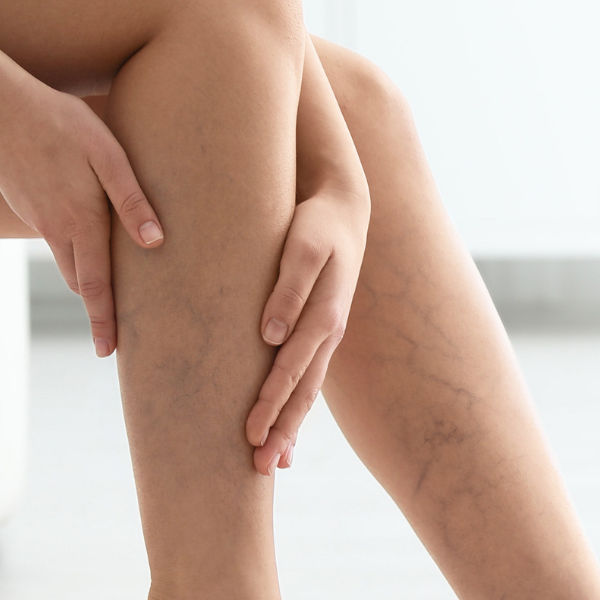
Vein ablation is one of the most common treatments for spider and varicose veins.
During an ablation procedure, a specialist closes the vein that is not functioning properly. Blood naturally reroutes through healthier veins, helping reduce pressure and relieve symptoms.
The procedure is performed through a small puncture, typically near the knee, using a catheter. Treatment generally takes about 30 to 45 minutes.
Most patients can resume normal activities the same day and return to work the following day.
Thermal and non-thermal treatments: What's the difference?
Vein specialists have several options for closing diseased veins.
Thermal ablation
Thermal ablation uses heat to close the vein. Two commonly used technologies are:
- Radiofrequency ablation
- Endovenous laser treatment
At Southern New Hampshire Health's Vein Clinic, radiofrequency ablation is one of the primary treatment options offered, and I perform 6-10 per week.
These procedures have been used for many years and have a high success rate. Since heat is used, medication is placed around the vein during treatment to protect nearby tissues and keep patients comfortable.
Non-thermal treatments
In some situations, especially when treatment is needed below the knee, non-thermal options may be more appropriate.
These include:
- Foam sclerotherapy
- Medical adhesive (cyanoacrylate "vein glue")
These treatments do not use heat, so they can be used in areas where important nerves are located close to the vein. Some of my patients may require more than one treatment session to achieve the desired result.
What if my concern is cosmetic?
The Vein Clinic also offers cosmetic treatment for spider veins and other small surface veins.
A common treatment is sclerotherapy, which involves injecting a solution directly into the affected veins. Over time, the veins fade from view.
The procedure typically takes about 25 to 30 minutes and requires no downtime from work or regular activities.
Many of my patients achieve their desired results after two or three treatment sessions.
Don't ignore symptoms in your legs
Spider veins and varicose veins may seem like a cosmetic issue, but they can sometimes be a sign of an underlying circulation problem. If you're experiencing aching, heaviness, swelling, or other symptoms, a vein evaluation can help determine the cause and identify treatment options that fit your needs.
Southern New Hampshire Health's Vein Clinic provides comprehensive evaluation and treatment for a wide range of venous disorders, including chronic venous insufficiency, varicose veins, venous ulcers, venous obstruction, and pelvic venous disorders. As part of Southern New Hampshire Health, a nonprofit health system, our team is dedicated is committed to providing convenient access to advanced vascular care close to home.
Learn more about vascular services at Southern New Hampshire Health by visiting SNHHealth.org/vascular.
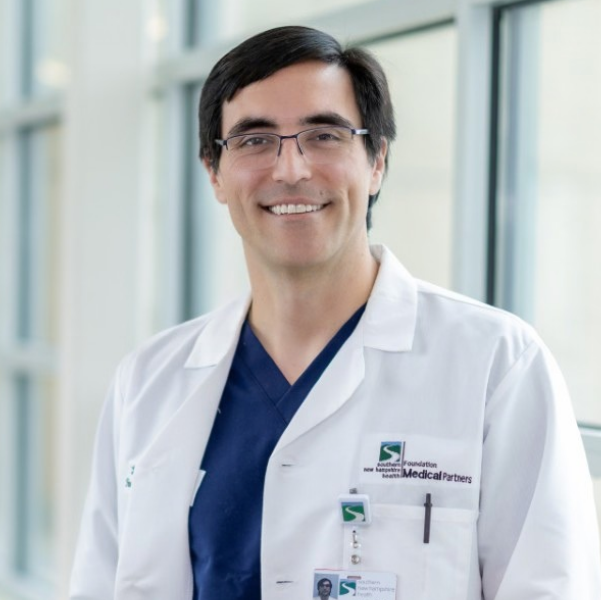 Dr. Luis Suarez is a vascular surgeon practicing at Southern New Hampshire Health’s Foundation Vascular Surgery and Mass General Vascular and Endovascular Surgery.