

 My Chart Patient Portal
 Language Services
 Medical Records

 News & Articles
 Charitable Giving
 Programs & Classes
November 13, 2026
What Happens to Your Body When You Vape (and When You Quit)
The effects of vaping on your lungs, heart, brain, and overall health
By Paige St. George, APRN-NP, Foundation Pulmonary
Quick Answer
Vaping can negatively affect your lungs, heart, brain, and blood vessels. Most vaping devices contain nicotine, which can lead to addiction and potentially increase heart rate and blood pressure.
Additionally, vaping can expose your body to chemicals and tiny particles that may irritate your lungs, sometimes leading to serious damage. The good news is that when you quit vaping, your body begins to recover, and many people notice improvements in breathing, energy, and overall health over time.
Is Vaping Dangerous?
Vaping can affect more than just your lungs. Research suggests that chemicals and tiny particles in vaping aerosols can irritate and inflame the airways, damage cells, and make it harder for blood vessels to work properly. In addition, most vaping devices contain nicotine, which is highly addictive and can increase heart rate and blood pressure by stimulating the sympathetic nervous system.
The good news is that your lungs have an incredible capacity to heal. When you quit vaping, your body begins to recover, and many people will notice improvements in their breathing over time.
Vaping From a Pulmonologist's Perspective
Many people ask me whether vaping is safe or at least safer than smoking.
In my years of practice as a pulmonary nurse practitioner caring for patients with lung disease, I've often heard questions like:
- Is vaping harmful?
- Is vaping safer than smoking?
- What happens when you vape?
- What happens when you quit vaping?
- Can your lungs heal after vaping?
While vape users may be exposed to fewer chemicals than traditional cigarettes, that does not mean vaping is harmless. Health experts agree that vaping can negatively affect your lungs, heart, brain, and overall health.
What Is Vaping?
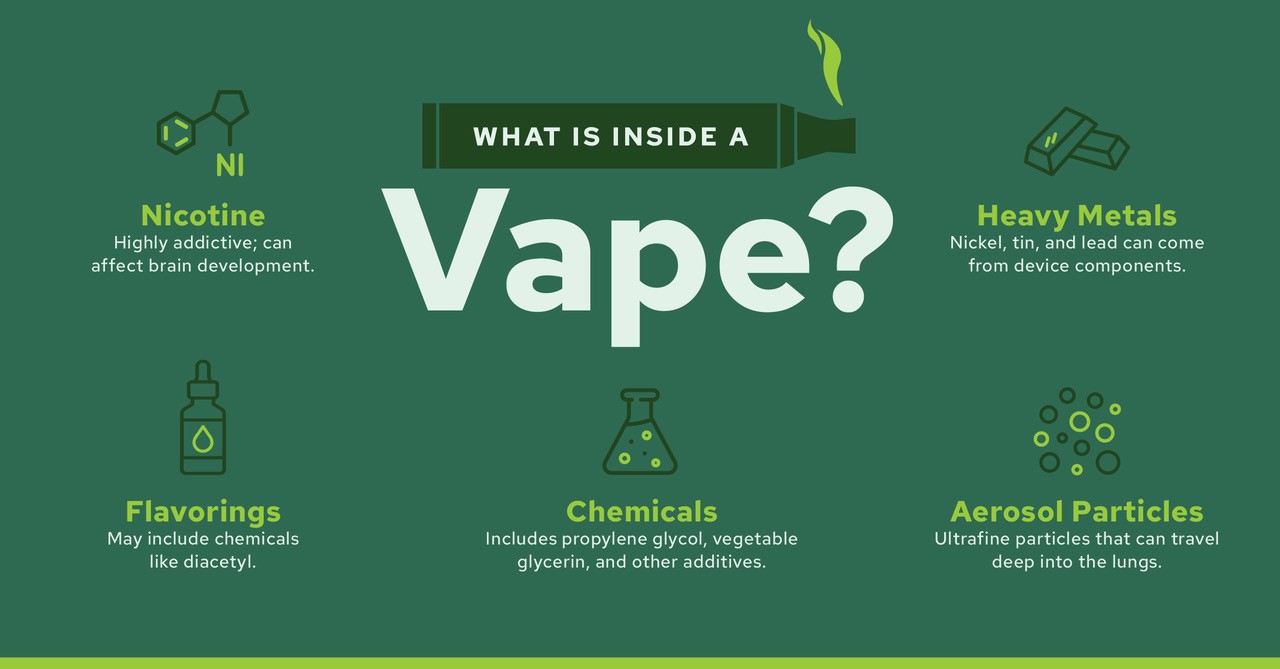
Vaping uses a battery-powered device to heat a liquid into an aerosol that is inhaled into the lungs.
Vape liquids typically contain:
- Nicotine
- Flavorings
- Propylene glycol or vegetable glycerin
- Chemicals that create the aerosol
- Tiny particles that reach deep into the lungs
- Heavy metals such as lead, nickel, and tin
Unlike traditional cigarettes, vaping devices are more discreet and produce less odor, making them easier to use in a variety of settings. This convenience makes vaping more accessible throughout the day, and as a result, people find themselves vaping more frequently than they would smoke cigarettes.
Is Vaping Harmful?
Yes.
According to the Centers for Disease Control and Prevention (CDC), Mayo Clinic, Cleveland Clinic, and the American Heart Association, vaping is not safe.
Researchers are still learning about the long-term effects of vaping, but studies have linked vaping to:
- Lung irritation
- Breathing problems
- Nicotine addiction
- Higher heart rate
- Increased blood pressure
- Inflammation throughout the body
Many people think they are only inhaling water vapor. In reality, vaping aerosols contain dangerous chemicals and particles that enter the lungs and bloodstream.
What Happens to Your Lungs When You Vape?
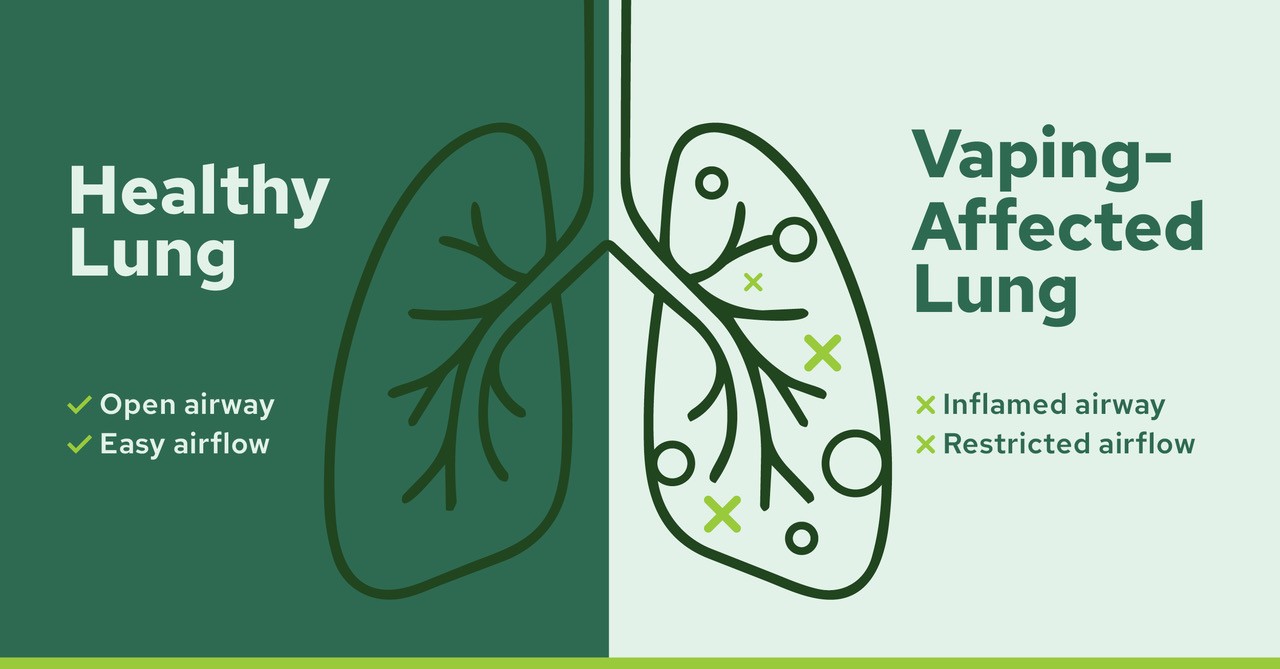
Your lungs are designed to breathe clean air. When you vape, your lungs are exposed to substances they were never meant to inhale. This interferes with the lungs' natural ability to protect themselves.
This can cause symptoms like:
- Coughing
- Shortness of breath
- Wheezing
- Excess mucus production
- Chest tightness
- Throat irritation or dryness
Some people notice symptoms quickly. Others may not experience problems until months or years later. Even without symptoms, exposure to vaping aerosols may still cause inflammation and cellular changes within the lungs.
In my practice at Foundation Pulmonology, I see patients who notice they:
- Get winded more easily
- Have a cough that won't go away
- Need more time to recover after exercise or illness
- Are more susceptible to respiratory infections
What Does Vaping Nicotine Do to Your Heart?
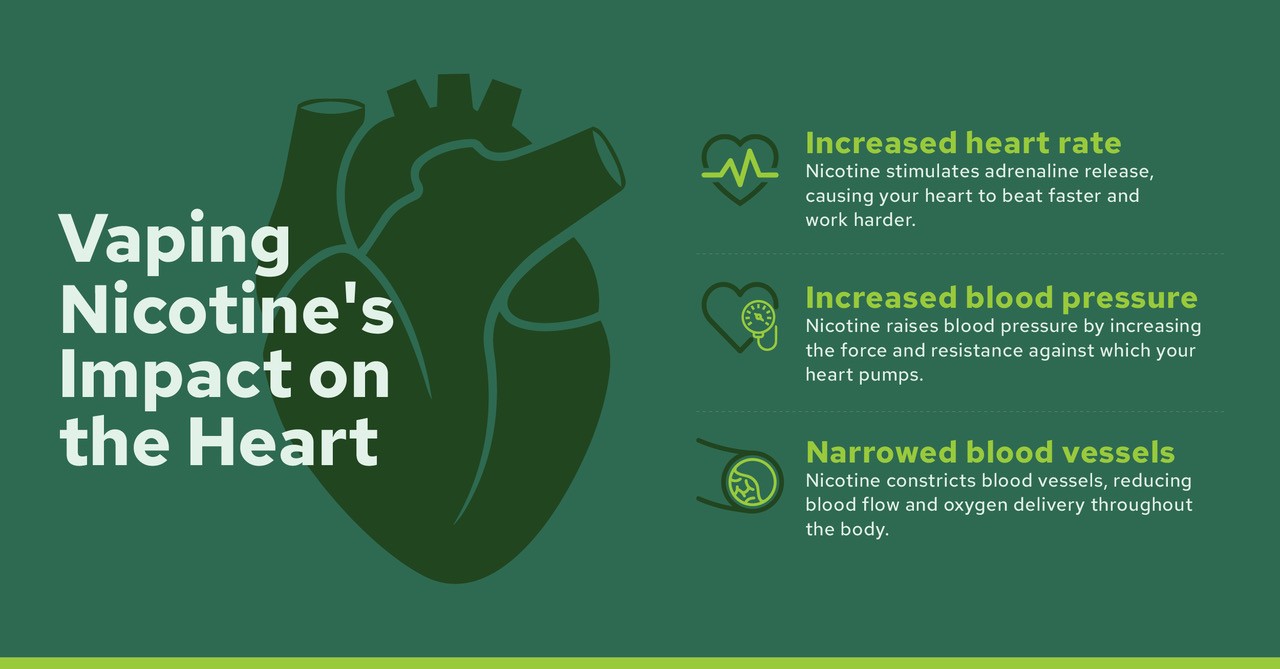
Most vaping products contain nicotine.
Nicotine causes your body to release hormones that make your heart work harder.
This can lead to:
- A faster heart rate
- Higher blood pressure
- Narrowed blood vessels
Over time, this extra strain can affect cardiovascular health.
Beyond nicotine, chemicals found in vaping aerosols may contribute to inflammation and damage to the lining of blood vessels.
The long-term effects of vaping are still being studied.
What Does Vaping Nicotine Do to Your Brain?
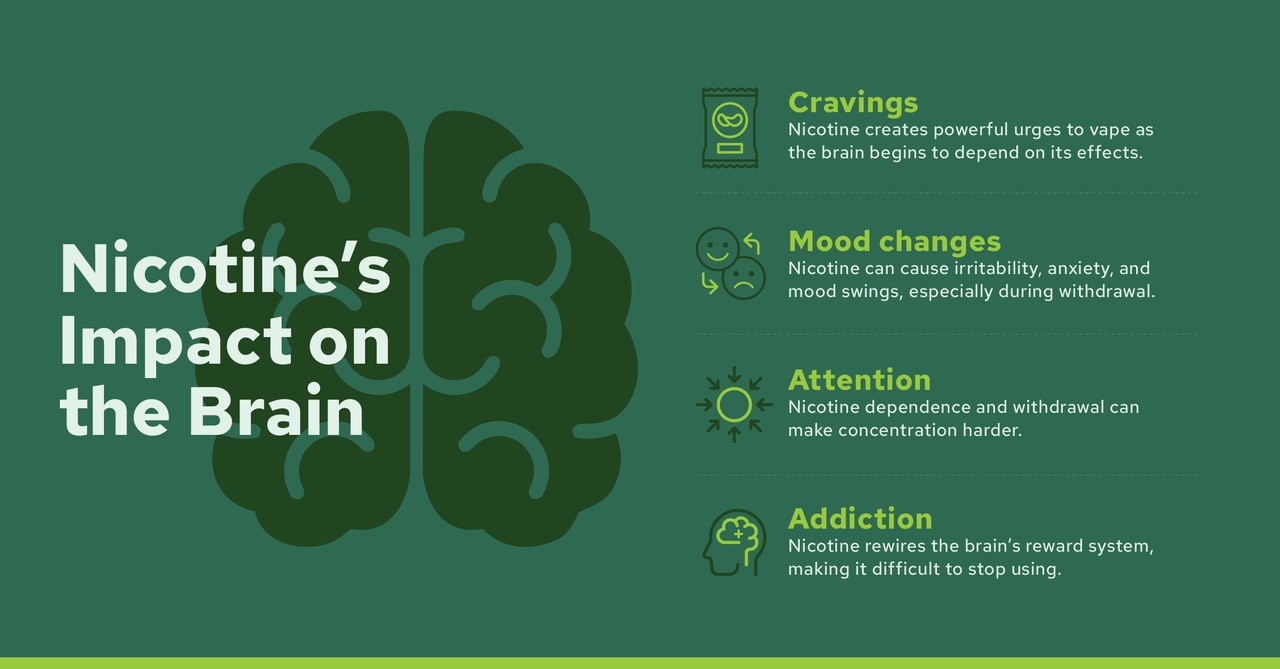
Nicotine is one of the most addictive substances available. It has a direct effect on the brain, particularly the areas responsible for reward, attention, and mood.
After inhaling nicotine:
- Dopamine is released, which triggers feelings of pleasure
- Temporarily produces feelings of relaxation or better mood
- Temporarily improves attention and alertness
This can lead to:
- Cravings
- Dependence
- Irritability and anxiety when nicotine levels drop
- Disrupted sleep
Many vaping products contain very high levels of nicotine, increasing the risk of dependence, which can make quitting difficult.
Is Vaping Safer Than Smoking?
This is one of the most common questions I hear.
Traditional cigarettes contain toxic chemicals created when tobacco burns. Some research suggests that vaping may expose users to fewer harmful chemicals than smoking cigarettes.
However, vaping is not safe.
Health experts caution that "less harmful" does not mean "harmless." If you do not smoke, there is no health benefit to starting to vape.
If you currently vape, quitting remains one of the best things you can do for your health.
What Happens When You Quit Vaping Nicotine?
One of the best things about quitting vaping is that your body begins recovering right away.
Every person's experience is different, but many people notice improvements over time.
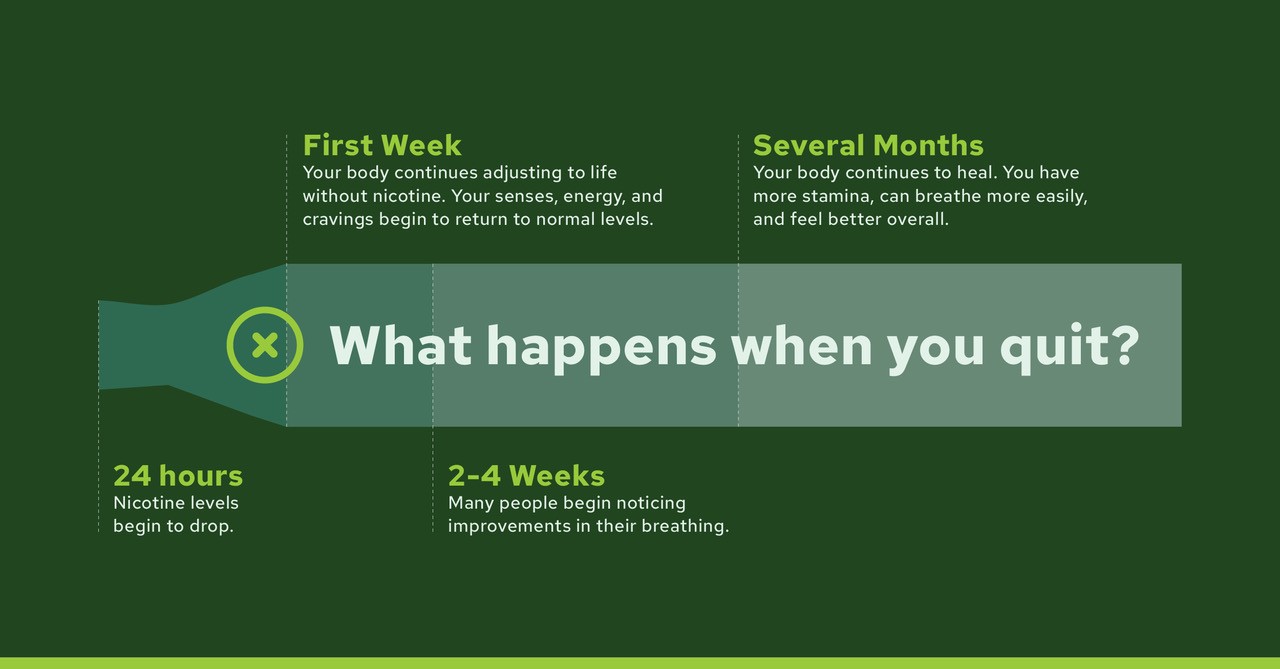
Within the First 24 Hours
Nicotine levels begin to drop.
You may experience:
- Cravings
- Irritability
- Restlessness
- Trouble concentrating
These symptoms are normal and temporary.
Within the First Week
Your body continues adjusting to life without nicotine. Your senses, energy, and cravings begin to return to normal levels.
Many people notice:
- Improved sense of taste
- Improved sense of smell
- More stable energy levels
- Cravings may still occur but often become easier to manage.
Within Two to Four Weeks
Many people begin noticing improvements in their breathing.
You may experience:
- Less coughing
- Less wheezing
- Easier breathing
- Improved endurance
- Activities such as walking, exercising, or climbing stairs may feel easier.
Within Several Months
Your body continues to heal. You have more stamina, can breathe more easily, and feel better overall.
Many people report:
- Improved stamina
- Better exercise tolerance
- Fewer respiratory symptoms
- Better overall well-being
- Inflammation throughout the body may also decrease.
Can Your Lungs Heal After Vaping?
In many cases, yes, your lungs can heal when you stop vaping.
The lungs have an amazing ability to recover after harmful exposures are removed.
Recovery depends on several factors, including:
- How long you vaped
- How often you vaped
- Whether you have asthma, COPD, or other lung conditions
- Your overall health
The sooner you quit vaping, the more opportunities your lungs have to heal.
In my practice, I've seen many patients improve their breathing and feel healthier after quitting vaping, as they are no longer exposing their lungs to chemicals and irritants. While we don't have a definitive timeline for lung recovery after vaping, stopping allows your respiratory system to recover and prevents further exposure to potentially harmful substances.
As far as the long-term health effects of vaping, there is still a lot we do not know. Our hope is that people understand the potential risk and can make informed decisions about their health.
Signs Vaping May Be Affecting Your Health
Talk with your healthcare provider if you have:
- A persistent cough
- Wheezing/chest tightness
- Shortness of breath
- Frequent respiratory infections
- Chest discomfort
- Difficulty quitting because of cravings
Help is available, and you do not have to quit alone.
If you're concerned about the effects of smoking or vaping on your health, consider making an appointment with Foundation Pulmonary. As part of a nonprofit health system, our team specializes in diagnosing and treating conditions that affect the lungs, chest, and respiratory tract, including asthma, chronic bronchitis, and other lung diseases. We combine advanced diagnostic expertise with compassionate, patient-centered care. To schedule an appointment, call 603-886-0290.
Learn more about Foundation Pulmonary
 Paige St. George, APRN, treats patients for conditions and respiratory disorders that affect the lungs, chest, and respiratory tract, from asthma to chronic bronchitis, at Foundation Pulmonary in Nashua, New Hampshire.