
 My Chart Patient Portal
 Language Services
 Medical Records
 News & Articles
 Charitable Giving
 Programs & Classes
February 11, 2026
What Your Blood Pressure Numbers Tell You
By Dr. Shawn Wallace, Amherst Family Practice of Southern NH Health, your nonprofit health partner
Knowing your blood pressure is one of the simplest and most effective ways to take care of your health. High blood pressure, also known as hypertension, can lead to serious health issues.
Why is it important to know your blood pressure numbers?
High blood pressure is often called the silent threat because it often has no symptoms. You cannot feel it rising or see it changing, but it can cause damage slowly over many years. When you know your numbers, you can catch problems early and make simple changes that can protect your heart and your overall health.
Checking your blood pressure only takes a few minutes. It can be done in your healthcare provider’s office, at a pharmacy, or at home with a monitor. The more you know, the better choices you can make.
What do the two blood pressure numbers mean?
Blood pressure is written as two numbers, like 115/68.
- The top number is called the systolic number. It measures how hard your blood pushes against your blood vessels when your heart beats. Think of it as the pressure at the moment your heart squeezes.
- The bottom number is called the diastolic number. It measures the pressure when your heart relaxes between beats. This number shows how much pressure your blood vessels feel all the time, even when the heart is resting.
Both numbers matter. If either blood pressure is too high for too long, it can raise your risk for heart attack, stroke, kidney failure, vision loss, and memory issues.
What is “good” blood pressure? 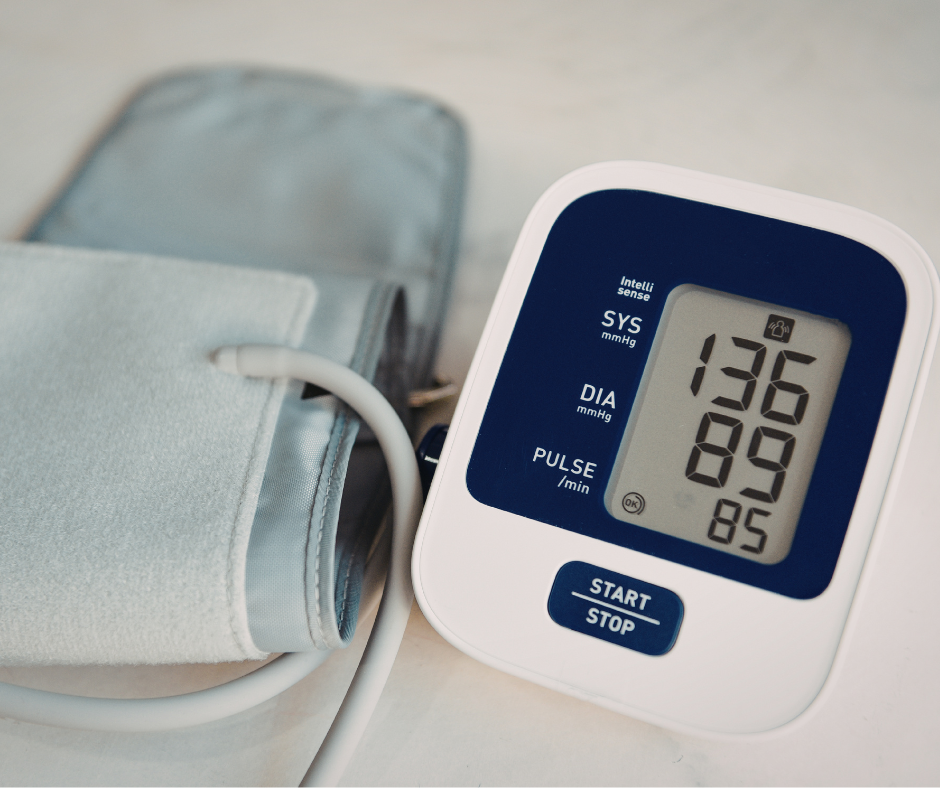
For most adults, a healthy blood pressure is less than 120/80.
In simple terms:
- Top number (systolic) should usually be less than 120.
- Bottom number (diastolic) should usually be less than 80.
- When blood pressure numbers start to rise
- 120 to 129 over less than 80 is called elevated. This means you should keep an eye on it.
- 130/80 or higher is considered high blood pressure (hypertension) for most adults.
Keep in mind that one high reading does not always mean you have high blood pressure. Stress, pain, or even having a full bladder can raise it for a short time. What matters most is your average over time.
What to do if your blood pressure is high
Talk to your healthcare provider. They know you best and will have personalized advice. In general, there are steps you can take to reduce your high blood pressure/hypertension:
- Lose weight
- Stop smoking
- Eat properly
- Exercise
- Lower your salt intake
- Reduce your alcohol consumption
- Learn relaxation methods
- Monitor your blood pressure at home
Who should get checked for high blood pressure/hypertension?
Adults should have their blood pressure checked at least once a year. Some people may need it checked more often, especially if they
- have diabetes
- have kidney disease
- are over 40
- have a family history of high blood pressure
- are overweight
- have been told their numbers were high in the past
Children and teens are usually checked during routine checkups. This helps us catch potential problems early.
The Bottom Line
Understanding your blood pressure is important to your long-term health. If you are not sure what your numbers mean or how often you should check them, we are here to help. Your health is a team effort, and knowing your numbers gives you the power to stay in control.
The team at Amherst Family Practice of Southern New Hampshire Health, a dedicated nonprofit healthcare system in Amherst, NH, is here to answer your questions and guide you to the care you need.
 Dr. Shawn Wallace is a board-certified family physician at Amherst Family Practice in Amherst, New Hampshire. Dr. Wallace enjoys the variety family medicine offers, from diagnosing and treating to helping patients of all ages prevent illness before it starts.