
 My Chart Patient Portal
 Language Services
 Medical Records
 News & Articles
 Charitable Giving
 Programs & Classes
March 12, 2026
Colorectal Cancer: Preventable and Curable
By: John V. Flannery, Jr., MD of Colon & Rectal Surgery of New England
Maybe a colonoscopy is not something you have thought about. Maybe no one has suggested you get it done. Maybe you do not want to do the prep or schedule the procedure. We understand that getting screened for colon cancer can seem like a big deal, but if you are between 45 and 75 years old, now is the time.
Colonoscopy is the most important tool we have to prevent and identify this common type of cancer and start effective treatment when needed. The simple truth is that survival is higher when colorectal cancer is found before it spreads to other parts of the body. Colonoscopy can prevent colorectal cancer or find it early, when treatment works best. That’s why every patient is encouraged to get screened for colon cancer.
Colorectal cancer is the third most diagnosed cancer in both men and women in the United States. In the U.S., approximately 154,000 people are diagnosed with colorectal cancer a year, and approximately 53,000 people die from it. March is colorectal cancer awareness month, and it is our role as healthcare professionals to make sure you have the facts about this disease and how to protect yourself and your family from it.
Fact 1: Incidence of colon cancer is rising among patients under 50
Fact 2: By the year 2030, colorectal cancer will be the leading cause of cancer death for people between the ages of 20 and 49
Fact 3: Colorectal cancer is preventable and curable
Fact 4: 50% of eligible patients are not being screened for colorectal cancer
Fact 5: Colonoscopy screenings can reduce mortality rates by up to 70%
Fact 6: You can lower your risk for colorectal cancer
Preventative measures against colorectal cancer:
- Limit red meat consumption and avoid highly processed, prepackaged foods
- Limit alcohol consumption
- Eat a high fiber diet with lots of raw fruits and vegetables
- Exercise regularly
- Do not smoke
- GET SCREENED
How colonoscopy works:
Colonoscopy is the gold standard colorectal cancer screening test. It is the most effective colorectal cancer prevention test and should be the first option for average and high-risk patients. Colonoscopy is 95% effective at finding colon cancer and greater than 95% effective at finding high-risk polyps. Also, you do not have to worry about false positive results, which is an issue with other screening tests. A colonoscopy should be performed every 10 years for people who do not have an increased risk of colorectal cancer. Colonoscopies are performed in an outpatient setting like Southern New Hampshire Health’s Endoscopy Unit, where we offer enhanced procedures with a new technology known as GI Genius™. This technology helps our doctors detect precancerous polyps using advanced AI software.
This information may seem overwhelming, but all of the providers and staff throughout the Southern New Hampshire Health System want you to know how important it is to get screened for colorectal cancer. The bottom line is this: having a quick conversation with your primary care provider or a specialist at Colon & Rectal Surgery of New England or Foundation Gastroenterology can save your life, or the life of someone you love.
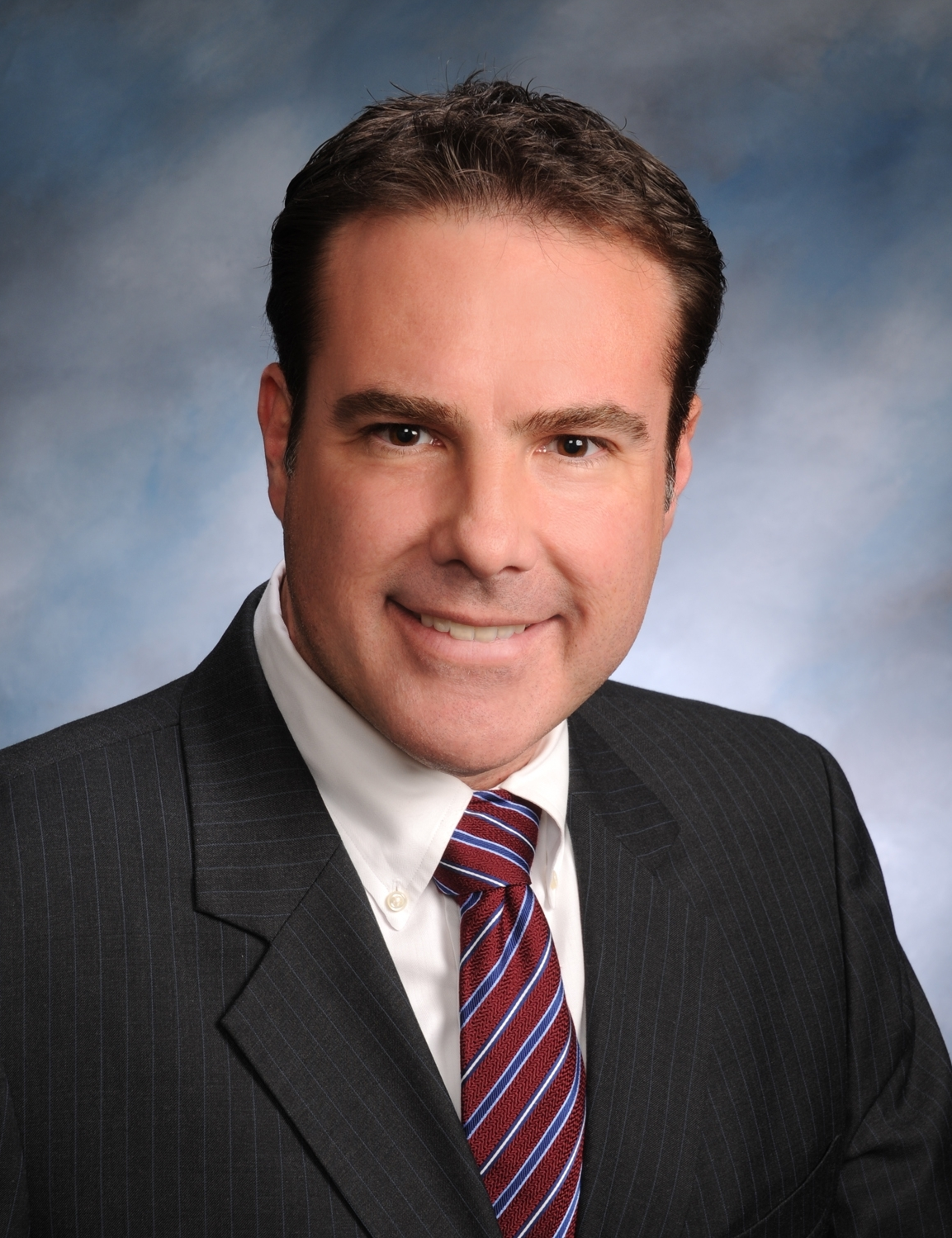 John V. Flannery, Jr., MD, FACS, FASCRS, is in practice at Colon & Rectal Surgery of New England in Nashua, New Hampshire. He earned his MD at the University of Massachusetts Medical School. His general surgery residency was completed at the University of North Carolina, including a final year as Chief Resident in Surgery. While a surgical resident, Dr. Flannery was awarded a prestigious Resident Research Scholarship from the American College of Surgeons and spent two years as a Research Fellow at Massachusetts General Hospital. His research has been published and presented both nationally and internationally.
Dr. Flannery acquired additional specialty training during a fellowship in colorectal surgery at Rutgers-Robert Wood Johnson Hospital. He spent six years in practice in Atlanta before joining Colon & Rectal Surgery of New England. Dr. Flannery is double board-certified in colorectal surgery and general surgery. He has been elected as a fellow in both the American Society of Colon and Rectal Surgeons and the American College of Surgeons.