
 My Chart Patient Portal
 Language Services
 Medical Records
 News & Articles
 Charitable Giving
 Programs & Classes
June 19, 2026
Lead Poisoning in Children: What Every Parent Needs to Know
By Dr. Patrick Duff, Partners in Pediatrics
Lead poisoning often has no obvious symptoms, which means many families don’t realize they have been exposed until after testing. Any exposure to lead can affect a child’s developing brain and nervous system, making routine screening an important part of keeping children healthy.
Southern New Hampshire Health’s new lead testing capabilities help identify potential exposure risks earlier and connect families with the support and treatment they need. As your nonprofit healthcare partner, we are making lead screening more convenient and accessible for families across our community.
Why lead exposure matters 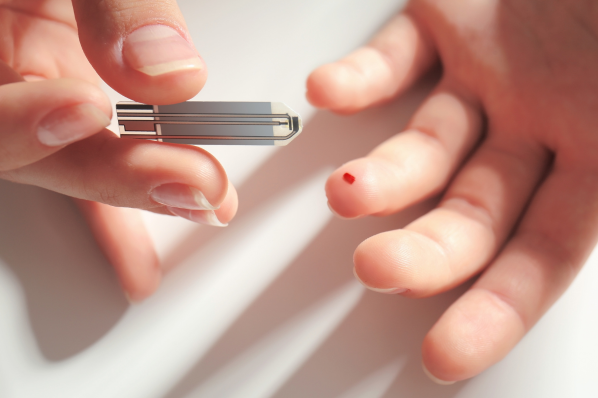
Children younger than 6 years old are especially vulnerable to lead exposure because their brains and bodies are still developing. Young children are also more likely to come into contact with lead through normal hand-to-mouth behaviors.
Lead exposure can affect:
- Learning and development
- Attention and behavior
- Speech and hearing
- Growth and overall health
Most of the time, the effects of lead poisoning are not immediately noticeable. Screening helps identify elevated levels early, so families can take steps to reduce further exposure with help from our healthcare providers.
Expanding access to lead screening in southern New Hampshire
Southern New Hampshire Health recently received a state grant to help expand access to lead screening across all seven of our pediatric practices. The grant supports staff and provider education, testing supplies, and lead testing equipment.
As a result, providers in our pediatric practices can now perform lead testing during a child’s appointment and review results with parents or guardians before they leave the office.
Participating practices include:
Lead Screening Frequently Asked Questions
Lead exposure is found in many environments, especially in older homes and buildings built before 1978.
Common sources include:
- Peeling or chipping paint in homes built before 1978
- Lead-contaminated dust
- Older plumbing or pipes that may affect drinking water
- Soil near older homes or industrial areas
- Imported products, including toys, jewelry, pottery, and cosmetics (especially from China, India, Mexico, Vietnam, and Indonesia)
Children may accidentally swallow or breathe in lead dust during normal daily activities.
In New Hampshire, children are typically screened for lead during routine well-child visits at ages 1 and 2-years old.
Some children may need testing earlier or more often, depending on possible exposure risks, including:
- Living in or regularly visiting an older home
- Renovations in older buildings
- Known lead exposure in the household or community
Your child’s pediatric provider can help determine the appropriate screening schedule.
No. Many children with elevated lead levels do not show obvious symptoms right away, which is why screening is so important.
Parents should speak with their provider if they live in an older home, are planning renovations, or have concerns about possible lead exposure.
Lead screening is done with a simple blood test, often using a quick finger stick performed during a pediatric visit.
If the initial lead screening shows an elevated level, additional testing may be recommended to confirm the result and guide next steps.
Treatment depends on the child’s lead level and source of exposure. The most important step is identifying and removing the source of lead.
If testing shows higher-than-expected lead levels, our team works with your family to identify possible sources of exposure and reduce ongoing risk.
Follow-up care may include:
- Additional blood testing
- Evaluation for iron deficiency or anemia
- Guidance on nutrition and reducing exposure at home
- Coordination with public health resources when needed
Early identification is important because it allows families to take action before more serious health effects develop.
There are several practical steps parents and caregivers can take to help lower the risk of lead exposure:
- Wash children’s hands and toys regularly
- Clean floors and windowsills frequently to reduce dust
- Use cold water for cooking and drinking
- Provide a healthy diet that includes calcium, iron, and vitamin C
- Use certified professionals for renovations in older homes
- Consider lead inspection or testing for homes built before 1978
Lead screening is generally covered as part of preventive pediatric care, including through Medicaid.
New Hampshire families can access support and information through state public health and healthy homes programs. Landlords may be required to address identified lead hazards.
Supporting children’s health through preventive care
Routine well-child visits play an important role in protecting children’s health and development. In addition to immunizations and developmental screenings, lead testing helps identify concerns that may otherwise go unnoticed.
Parents who have questions about lead screening or possible exposure should speak with their child’s healthcare provider.
Looking for a pediatric provider? Dr. Patrick Duff is accepting new patients at Partners in Pediatrics in Nashua, New Hampshire. Call Southern NH HealthMatch at 603-880-EASY (3279) to schedule an appointment.
 Dr. Patrick Duff is a board-certified pediatrician at Partners in Pediatrics in Nashua, New Hampshire. A graduate of New York Medical College with a Doctor of Medicine degree, Dr. Duff completed his pediatric residency at the University of Vermont Medical Center in Burlington. He received his B.S. in biology from Emmanuel College in Boston.