
 My Chart Patient Portal
 Language Services
 Medical Records
 News & Articles
 Charitable Giving
 Programs & Classes
November 2, 2026
Prediabetes: 7 Signs You Shouldn't Ignore and What to Do Next
By Nikita Mohan, MD, Southern New Hampshire Diabetes and Endocrinology
Prediabetes can be easy to miss. In fact, the Centers for Disease Control and Prevention reports that the condition impacts approximately 114 million American adults, and 80% of them are unaware. Since prediabetes has no clear symptoms, many people only discover their blood sugar is elevated during routine testing.
In my practice at Southern New Hampshire Diabetes and Endocrinology, I remind patients that prediabetes is not the same as type 2 diabetes. The diagnosis only means blood sugar levels are higher than normal but have not reached the diabetes range. This is an important opportunity to act.
Changes in nutrition, activity, sleep, and weight management may help lower blood sugar and reduce the risk of developing type 2 diabetes. In the long run, this helps reduce the chances of heart disease, stroke, and kidney disease.
What Are the Signs of Prediabetes?
The only way to determine whether you have prediabetes is through a blood test. However, the following signs should not be ignored because they may point to insulin resistance or blood sugar that has moved into the diabetes range.
1. You are thirstier than usual
Everyone feels thirsty at times, especially after exercise or on a hot day. However, ongoing or unusually strong thirst deserves attention. When blood sugar becomes too high, the body may pull fluid from its tissues, leaving you feeling dehydrated.
2. You need to urinate more often
Increased urination can go along with being thirsty. Your kidneys work to remove extra sugar from the blood, which may cause you to urinate more often, including during the night.
If you notice a lasting change without an obvious explanation, talk with your healthcare provider.
3. You feel unusually tired
Fatigue has many possible causes, including poor sleep, stress, anemia, thyroid conditions, and medication side effects. High blood sugar may also play a role because your body has trouble using sugar for energy.
In my practice, I look at fatigue as one part of the larger picture. Constantly elevated blood sugar puts additional strain on your body and can appear as fatigue. Beginning treatment or lifestyle changes at this stage can have a have a significant positive effect on your level of energy.
4. Your vision becomes blurry
Changes in blood sugar may affect fluid levels in the eyes and temporarily make it harder to focus. Blurred vision can have many causes, some of which require prompt treatment, so it should not be dismissed or self-diagnosed.
Contact your provider or eye doctor if you notice new or persistent vision changes. Seek medical attention right away for sudden or severe vision loss.
5. Cuts or sores heal slowly
High blood sugar can affect circulation, nerves, and the body’s ability to fight infection. A cut that is slow to heal, keeps reopening, or shows signs of infection should be evaluated.
Pay particular attention to wounds on the feet. Do not wait for your next routine appointment if a wound is getting worse, becoming red or swollen, draining, or causing increasing pain.
6. You notice tingling or numbness
Tingling, burning, or numbness in the hands or feet can have several causes. Persistent high blood sugar may damage nerves over time, but a healthcare provider will need to evaluate the symptoms and rule out other conditions.
7. You develop areas of darker, thicker skin
Dark, velvety patches of skin, often found around the neck, armpits, or groin, may be associated with insulin resistance. This condition is called acanthosis nigricans and commonly occurs in patients with risk factors for diabetes.
A skin change alone cannot diagnose prediabetes, but it can be a reason to discuss blood sugar testing with your provider.
Who should ask about diabetes or prediabetes testing?
Do not wait for symptoms if you have risk factors for prediabetes. Ask your primary care provider whether screening is appropriate if you have a family history of type 2 diabetes, carry excess weight, are physically inactive, previously had gestational diabetes, have polycystic ovary syndrome/Polyendocrine Metabolic Ovarian Syndrome, or have another condition linked with insulin resistance.
Testing may include an A1C test, a fasting blood glucose test, or an oral glucose tolerance test.
What to do next
If a test shows prediabetes, start by talking with your provider about a plan that fits your health, medications, schedule, culture, and goals. Your next steps may include:
- Choosing more vegetables, lean proteins, whole grains, and high-fiber foods
- Limiting sugary drinks and heavily processed foods
- Building regular movement into your week
- Improving sleep and managing stress
- Reaching a healthy, sustainable weight, if recommended
- Repeating blood sugar testing as advised
- Discussing whether medication is appropriate for your individual risk
Avoid crash diets or an all-or-nothing approach. In my practice, I encourage patients to focus on realistic changes they can maintain and work on incorporating small sustainable changes into their lifestyle. For example, switching out the soda for water or reducing the portion size of a dessert are easy steps that make a big difference in your overall health.
At Southern New Hampshire Diabetes and Endocrinology, our team provides expert care for patients with diabetes and endocrinology-related conditions, including thyroid, osteoporosis, metabolic disorders, and lipid management. If you have pre-diabetes, we also offer a class about how to reduce the risk and prevent the condition. Our goal is to help you prevent illness or manage your condition with ease so you can enjoy a healthy, productive life.
Southern New Hampshire Health is a nonprofit health system committed to helping patients understand their health and make informed decisions. If you need help finding a primary care provider to discuss screening, call HealthMatch at 603-880-EASY (3279).
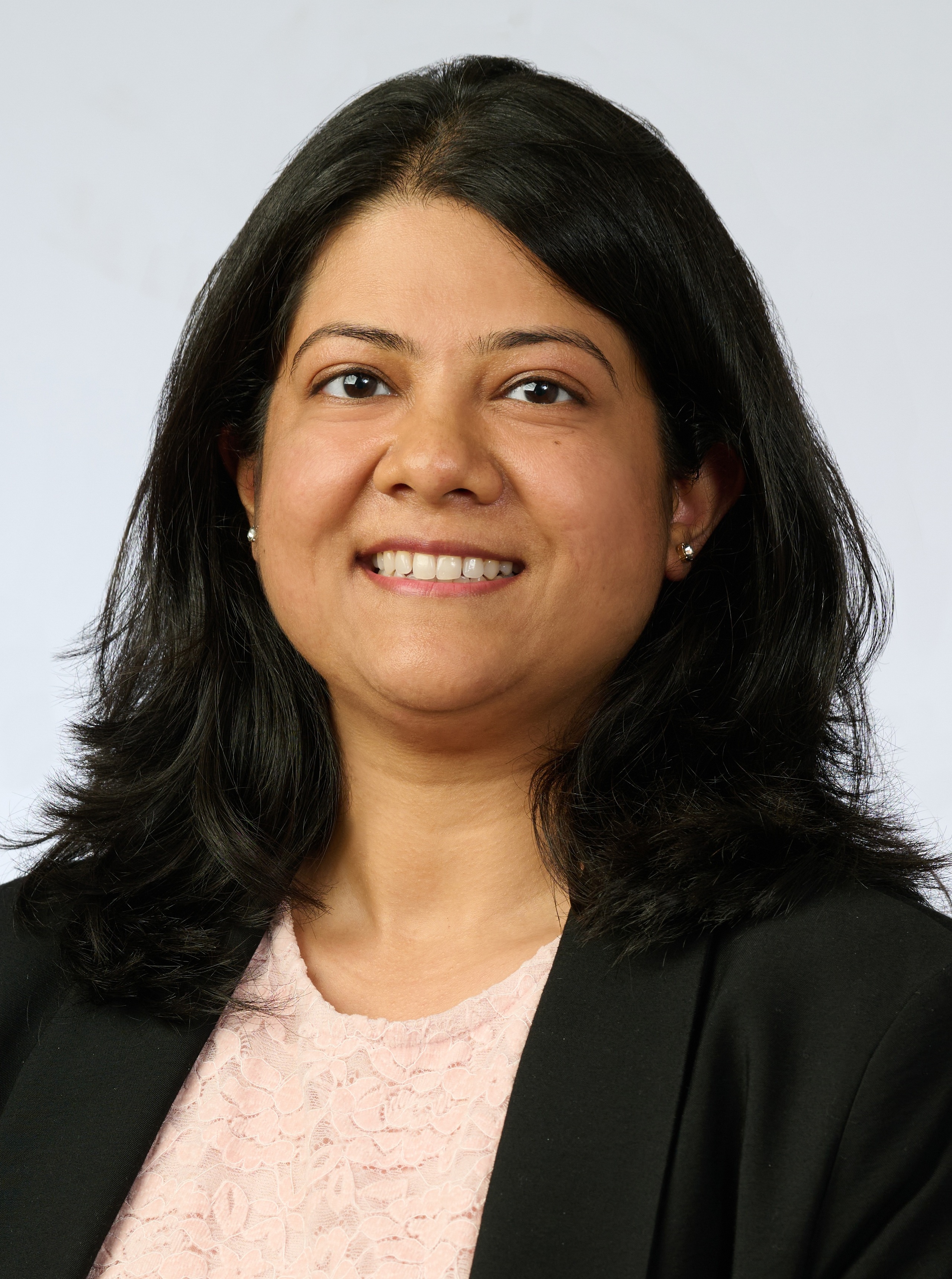
Board-certified Nikita Mohan, MD, earned her MBBS from the Jawaharlal Nehru Medical College in Belagavi, India. Dr. Mohan completed her internal medicine residency at Eastern Virginia Medical School in Norfolk, VA and an endocrinology, diabetes, and metabolism fellowship at the University of North Carolina in Chapel Hill, NC.
Dr. Mohan treats adult patients with diabetes, thyroid metabolism, and hormonal disorders at Southern New Hampshire Diabetes and Endocrinology.